
Polyaspartic Floor Coatings
in Ottumwa, IA
A durable, UV-stable coating that cures faster than many traditional epoxy systems and is made to keep its look with routine care.
Your Concrete Floor Shouldn't Be the Weak Point of Your Space
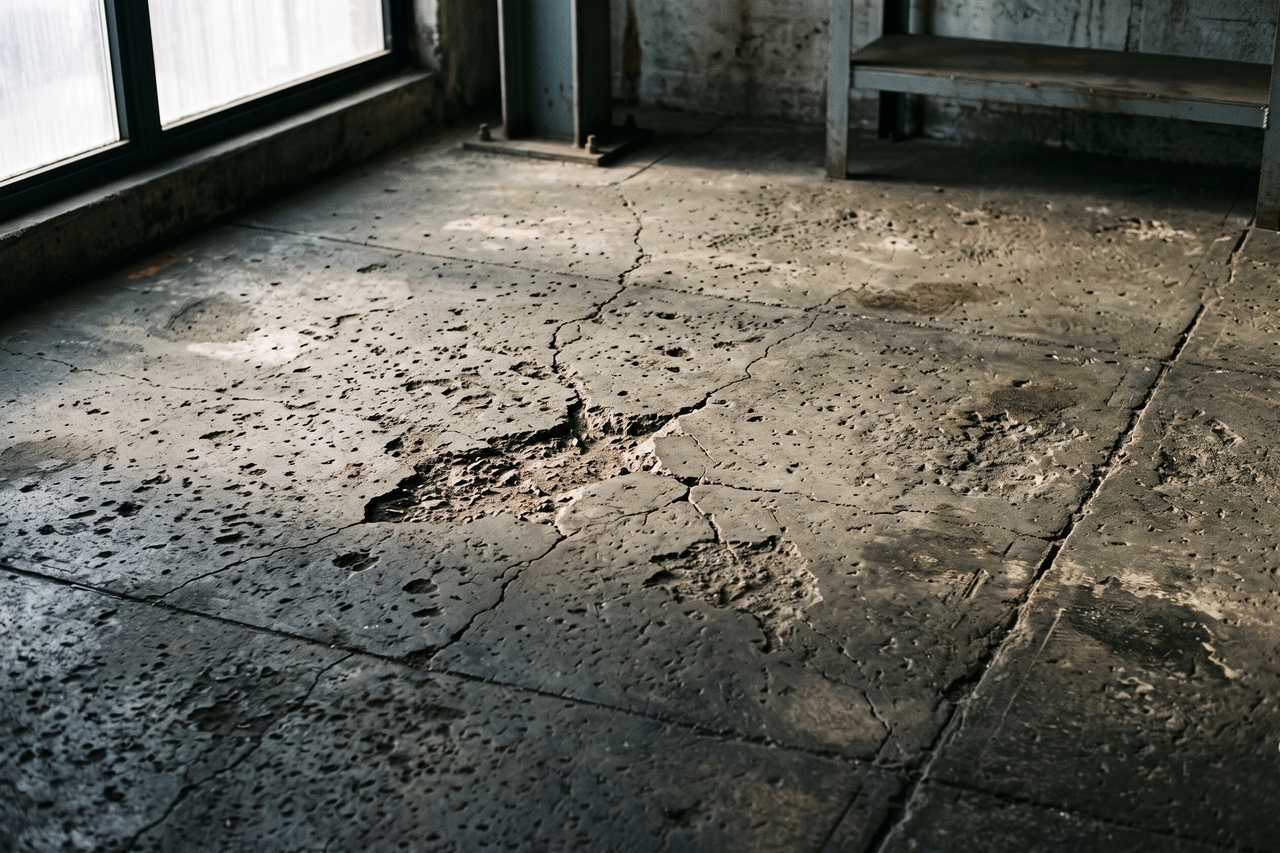
Bare concrete has a way of holding a room back. It stains with almost no effort, dusts underfoot with regular traffic, and develops cracks and pits that make it look older than it is — no matter how often it gets swept.
Some coatings solve the durability problem but introduce others: longer cure windows that keep a garage or shop out of commission for an extended stretch, or a tendency to yellow and fade wherever sunlight reaches the surface. In a garage with the door open or a covered space with direct sun exposure, that color shift can become visible sooner than expected.
For most people, the real question isn’t whether to coat the concrete. It’s which system is the right fit for the space, the use, and the schedule.
The Right Floor Coating Starts With How You Use the Space
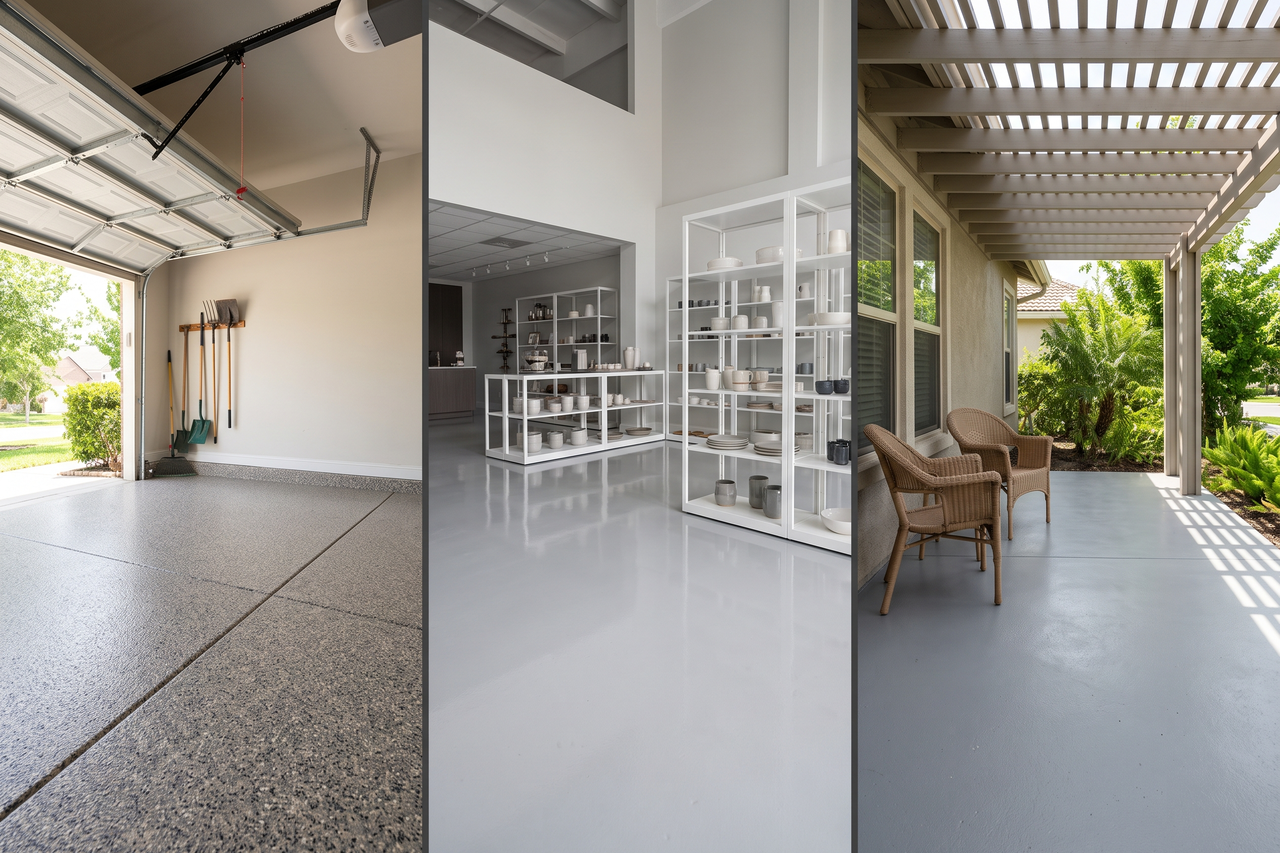
Polyaspartic coatings are recognized for curing faster than many traditional epoxy systems, strong resistance to abrasion, and UV stability that helps them hold their color in sun-exposed areas. They can be a good fit for residential garages, shops, commercial floors and covered concrete where sunlight is a factor, depending on the floor’s condition and how it’s used.
That said, polyaspartic isn’t the automatic right answer for every project. Concrete condition, moisture levels, how the space is used, and budget all factor into the recommendation. In some situations, a polyaspartic topcoat applied over an epoxy base delivers the best balance of performance and cost — suitability depends on the specific system selected and the conditions of your floor.
The flooring contractor evaluates your concrete and recommends the system — or combination of systems — that fits the space and your goals. The comparison resource below covers the key differences between epoxy and polyaspartic in detail.
A Better Floor Is Easier Than You Think
The path from bare concrete to a finished polyaspartic floor follows three clear steps.
01
Tell Us About Your Space
Describe where the floor is, how it’s used, whether UV stability is a priority, and any timing considerations you’re working around.
02
Choose the Right System
The contractor evaluates your concrete and recommends a fully polyaspartic system, a hybrid approach, or another coating based on your floor’s specific conditions and your goals.
03
Transform Your Floor
The contractor prepares the surface, applies the coating, and walks you through the return-to-service schedule before any work begins.
Ready for a Floor Built to Perform?
Tell us about your space and what you need the floor to do. We’ll work to connect you with an independent flooring contractor who can evaluate the concrete and, if the project is a fit, prepare an estimate built around it.
A Great Coating Can't Make Up for Poor Preparation
Polyaspartic is a high-performance coating, but no coating can compensate for poorly prepared concrete. Like any floor coating system, it needs clean, structurally sound, properly profiled concrete to bond the way it’s designed to.
One characteristic of polyaspartic coatings is that they cure relatively quickly — which is part of their appeal, but it also means there is less working time once the material goes down. Surface preparation has to be thorough and the conditions have to be right before application begins, because there’s limited opportunity to adjust once the coating is moving.
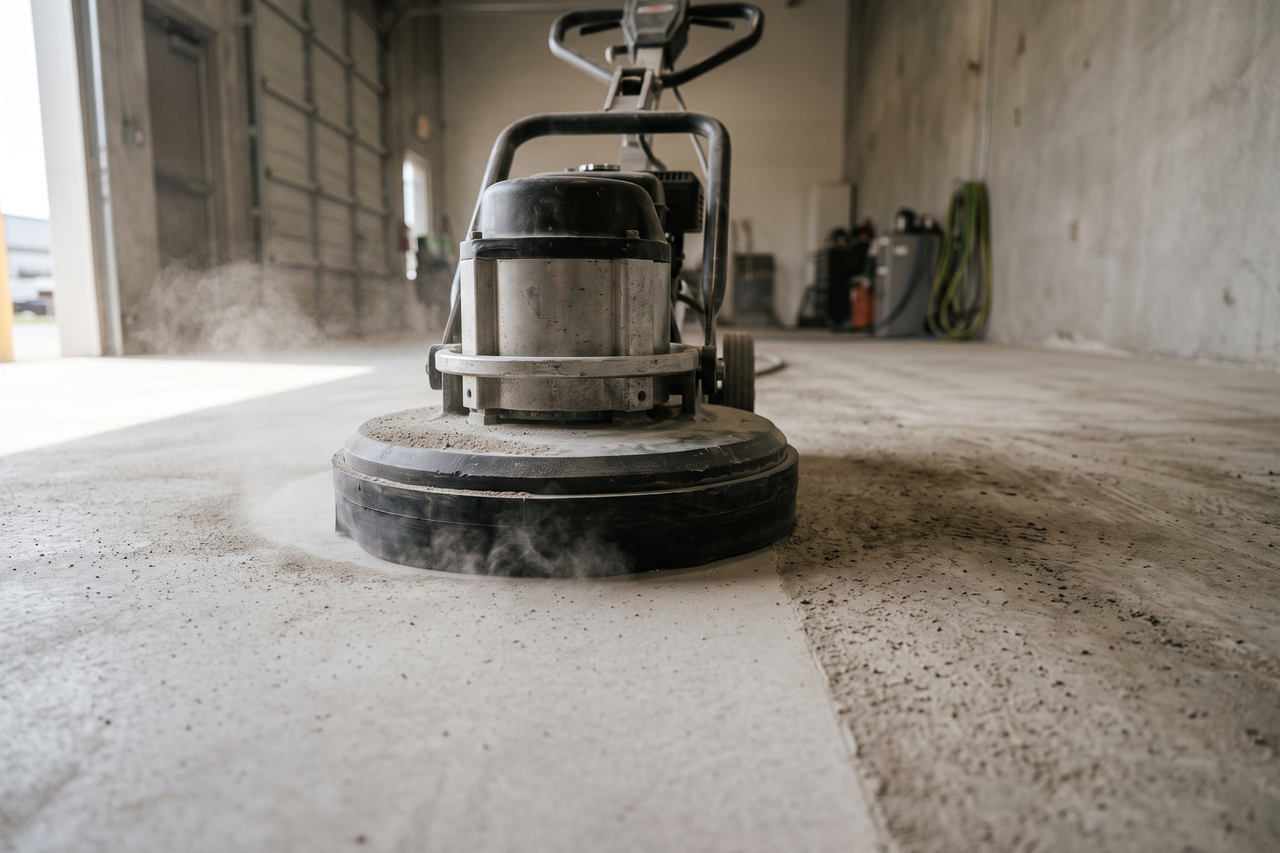
Grinding, crack repair, and moisture evaluation before coating give the system a better foundation for long-term performance. When coatings fail, the cause is often in the prep — alongside moisture problems, coating selection, and installation conditions — not in the coating itself.
A Floor That Looks Better and Works Harder
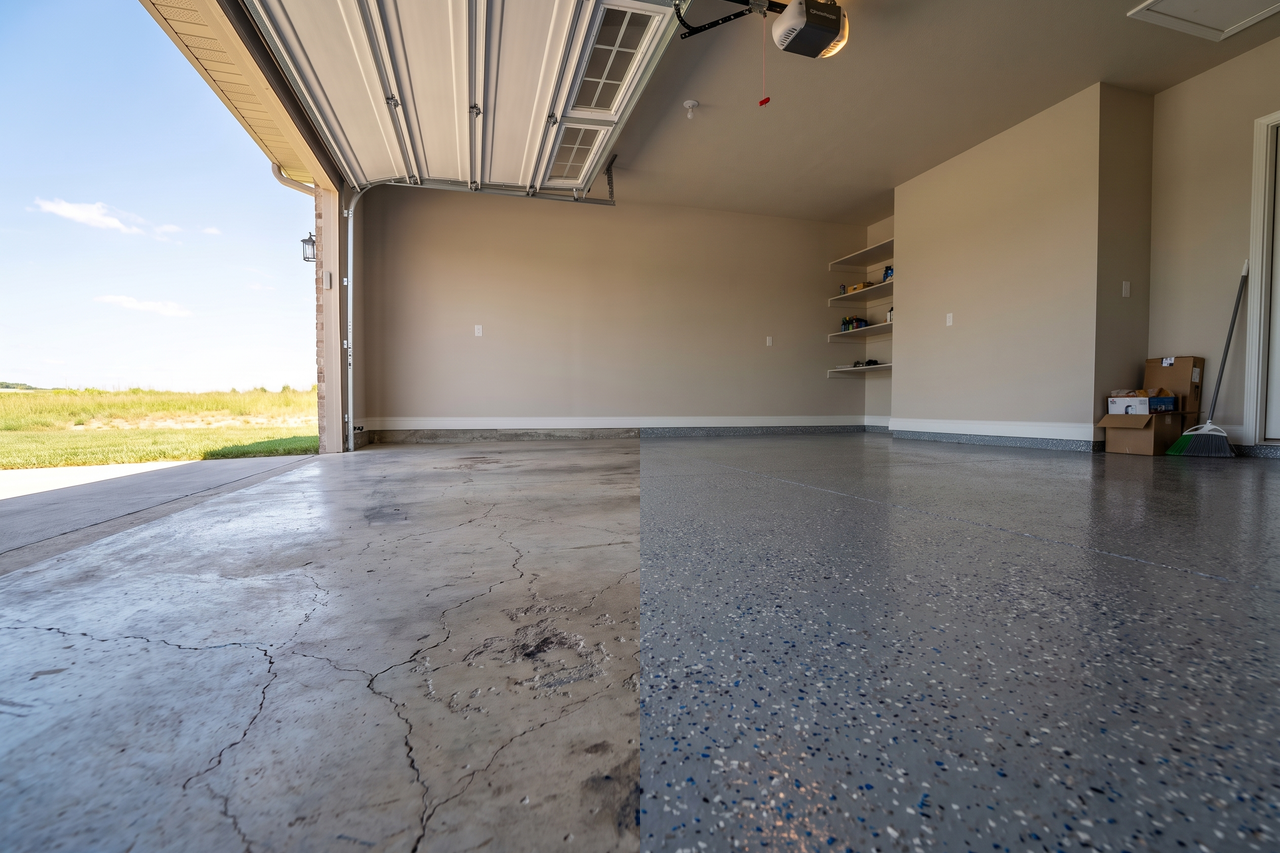
A properly applied polyaspartic floor delivers a clean, glossy finish that resists stains, handles daily abrasion, and holds its color in spaces where sunlight would fade a less UV-stable coating. Spills that would soak into raw concrete bead up on a sealed surface and wipe away without leaving a trace.
Decorative flake and a range of color options let you match the look to the space — whether that’s a clean, polished residential garage, a customer-facing commercial floor, or a functional shop that still needs to look sharp. Textured topcoat options can add traction where slip resistance matters.
Because this type of coating cures faster than many traditional epoxy systems, it can mean less disruption to a garage routine, a business operation or a household. The actual schedule still depends on the floor, the preparation and the system, and the installer explains it before work begins.
What Do Polyaspartic Floor Coatings Cost?
Polyaspartic pricing is shaped by the square footage of the area, the current condition of the concrete, the extent of preparation and any repairs needed, whether the system is fully polyaspartic or a hybrid with an epoxy base, and the finish selected.
Because every floor is different, the most accurate cost comes from evaluating your specific space rather than applying a standard per-square-foot figure. An estimate is based on the contractor’s assessment of the concrete and the system recommended for your project’s actual requirements.
Common Questions About Polyaspartic Floor Coatings
How fast does a polyaspartic coating cure?
Polyaspartic coatings cure faster than many traditional epoxy systems, which is one of the reasons they are a popular choice for spaces where minimizing downtime matters. Actual timing depends on the specific product, the number of coats applied, and conditions during installation such as temperature and humidity. Your installer should explain the expected schedule before work begins.
Is polyaspartic better than epoxy?
Neither is the right answer for every floor. Polyaspartic offers faster curing and UV stability. Epoxy builds thickness economically and performs well across a wide range of indoor applications. Many high-performance systems combine both — using an epoxy base for build and a polyaspartic topcoat for UV resistance and durability. The contractor evaluates your floor and recommends the approach that fits.
Will a polyaspartic floor yellow in the sun?
Polyaspartic coatings are formulated for UV stability and resist yellowing significantly better than standard epoxies. That makes them a strong consideration for garages, shops, and other spaces where sunlight regularly reaches the floor.
Can polyaspartic be used on outdoor concrete?
Polyaspartic can be a suitable option for some outdoor and covered concrete — such as a covered porch or a shaded patio — because of its UV stability and abrasion resistance. Whether it’s the right system depends on the concrete’s condition, drainage, exposure, and how the space is used. The surface should be evaluated first before any recommendation is made.
Is a polyaspartic floor slippery?
A high-gloss finish can be slick when wet. Decorative flake systems, textured topcoats, and anti-slip additives can improve traction. Whether one of these options makes sense depends on the space and how it’s used — worth raising with your contractor during the planning conversation.