Industrial Epoxy Flooring
in Ottumwa, IA
Heavy-duty coating systems evaluated for your facility’s specific traffic, equipment, and exposure conditions.
Your Floor Takes the Abuse. Your Operation Shouldn't
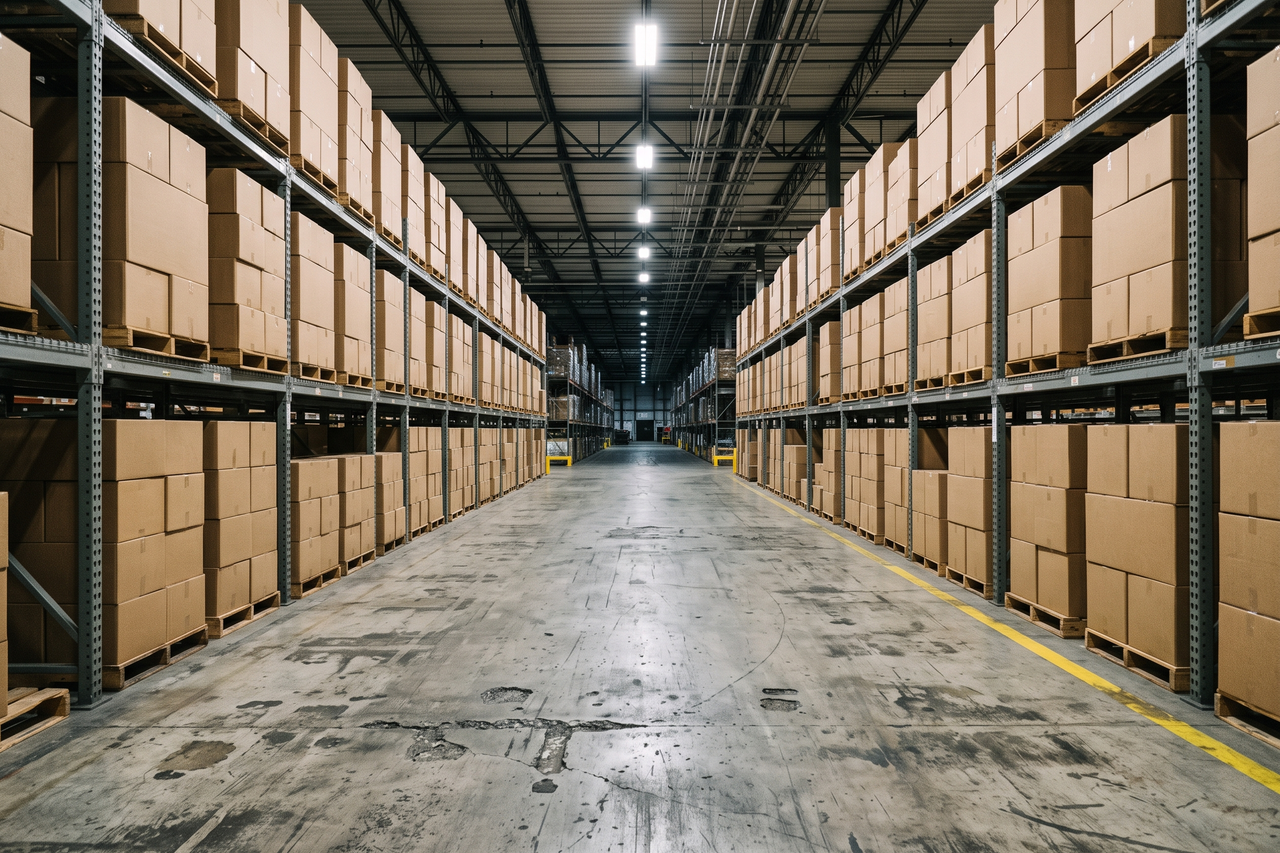
In a warehouse, plant, or distribution center, the floor takes on more than most surfaces are designed to handle. Forklifts, pallet jacks, rolling loads, dropped parts, chemical spills — day after day, it all lands on the concrete.
Unprotected concrete was never built to absorb that kind of sustained punishment without showing it. Over time it dusts, develops surface pits, cracks under heavy impact, and absorbs stains that are difficult to remove without intervention.
A deteriorated floor is more than a cosmetic problem. It creates challenges for daily cleaning, disrupts workflow, and can introduce hazards for anyone moving through the space — equipment operators, maintenance staff, and visitors alike.
Your Facility Determines the Right Flooring System
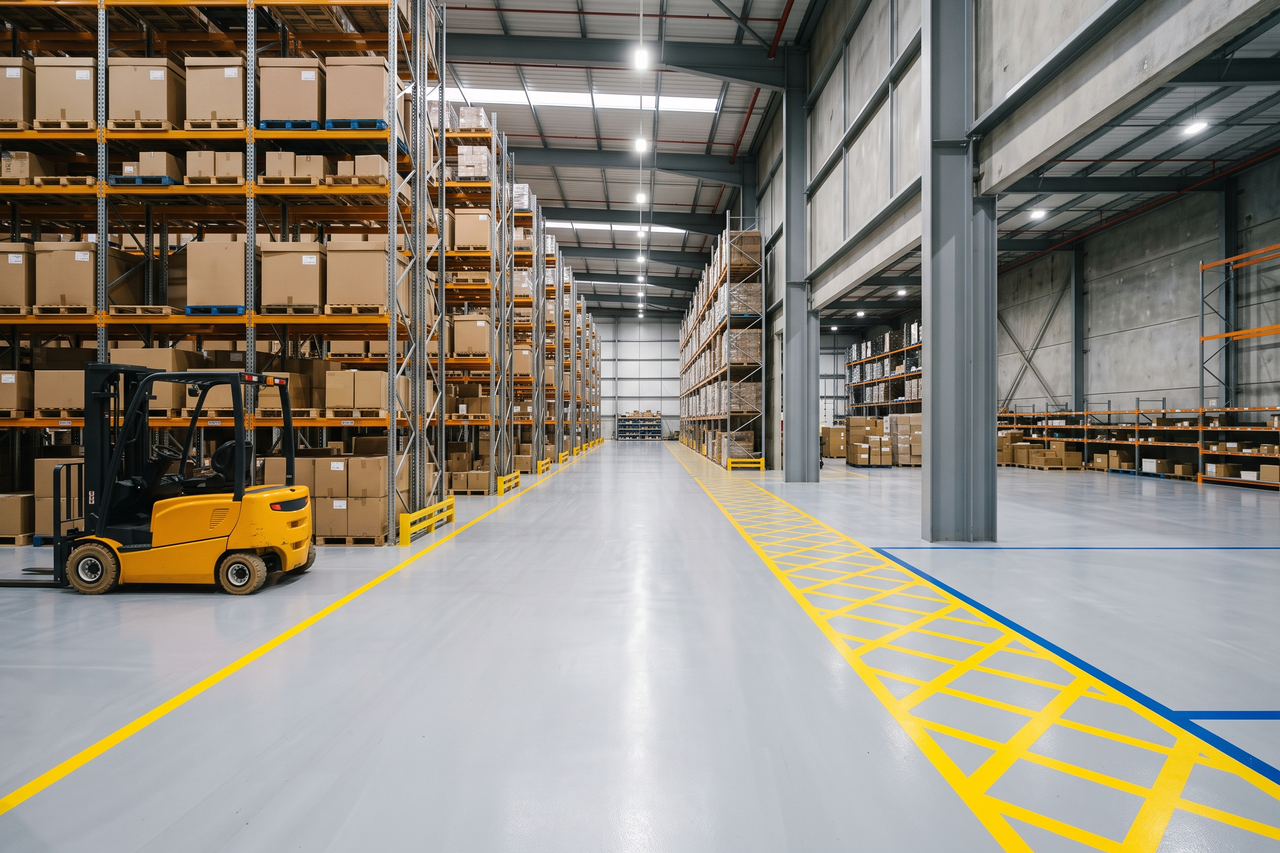
No single coating is right for every industrial environment. The appropriate system depends on the type and frequency of traffic the floor carries, the chemicals or fluids it contacts, thermal cycling in the space, how the floor is cleaned, and whether safety markings or designated work zones need to be part of the design.
A flooring contractor evaluates the slab and the conditions the facility operates under, then recommends a system with the thickness, chemical resistance, and surface texture those demands require. What works in a dry storage warehouse may not be the appropriate choice for a processing area with regular chemical exposure — suitability always depends on the system selected and the facility’s actual conditions.
Line striping, color-coded work zones, and slip-resistant finishes can be built into the coating plan to help organize traffic patterns and reinforce safety — all depending on the specific products and systems the contractor recommends for your operation.
Built Around Your Facility. Not the Other Way Around
Industrial flooring projects succeed when the plan is designed around the operation, not applied generically to it.
01
Evaluate the Facility
The contractor reviews the slab condition, the traffic it handles, and the specific demands the floor must meet before any recommendation is made.
02
Build the Right Flooring Plan
The contractor selects a coating system matched to your operation and maps out preparation, repairs, and a project schedule discussed with you in advance.
03
Put Your Floor to Work
The system is installed, cured, and returned to service on a timeline the installer confirms based on the coating selected and the conditions of your project.
Need a Floor Built for a Tougher Environment?
Tell us about your facility, what the floor has to handle, and any operational considerations you’re working around. We’ll work to connect you with an independent flooring contractor who can evaluate the space and, if the project is a fit, prepare an estimate built around your facility’s specific requirements.
Floor Failure Creates Problems Beyond the Floor
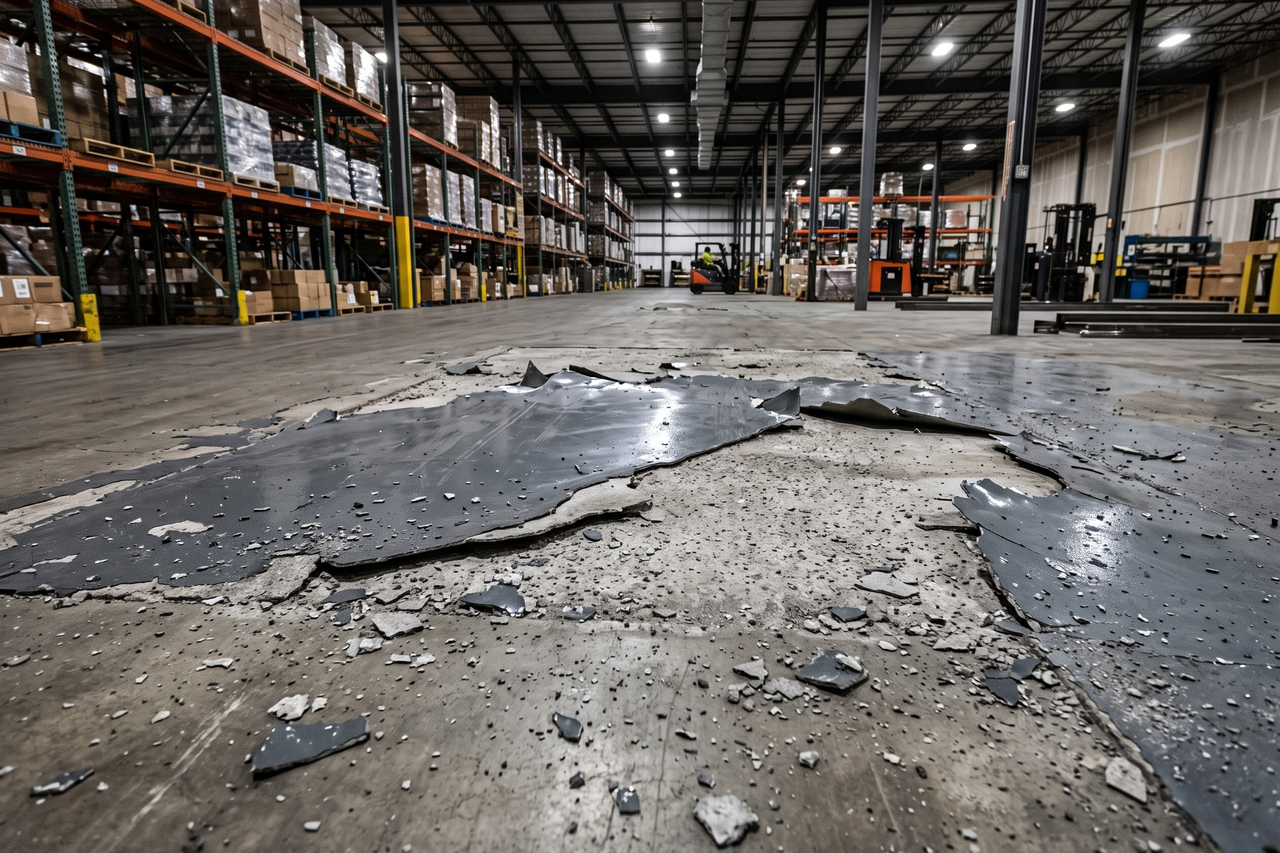
When an industrial coating fails, the consequences spread beyond the surface itself. Delaminating material creates debris and uneven footing across the work area. Pitting and edge cracks can catch wheels, creating wear on equipment and rough travel over time.
Deteriorated floors are harder to clean and maintain, which compounds problems in facilities where dust management, moisture control, or sanitation standards are part of everyday operations. A floor that was supposed to simplify housekeeping can become a persistent source of it.
Repairing or replacing a failed industrial coating typically requires shutting down sections of the facility, relocating equipment, and removing the old coating down to bare concrete before a new system can be applied. The cost in materials, labor, and lost operational time often exceeds what a well-planned installation would have required in the first place.
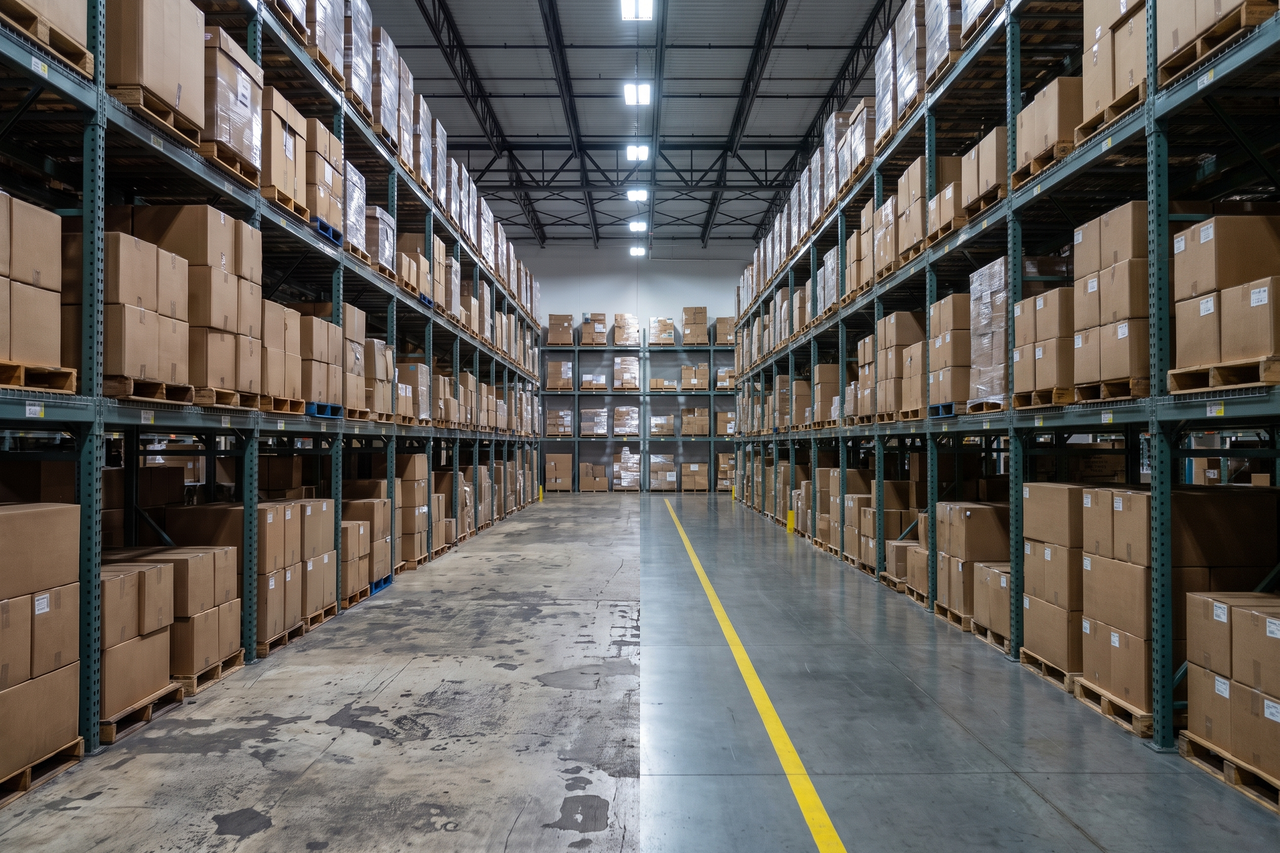
A Floor That Keeps Up With Your Operation
A properly selected and installed industrial coating resists abrasion, impact, and a range of common industrial chemicals, protecting the concrete beneath from wear it would otherwise absorb directly.
Sealed concrete is faster to clean than raw concrete, produces far less dust, and reflects overhead light to brighten the work environment. Clearly marked lanes and zones make traffic patterns visible and help organize how equipment and personnel move through the space.
When the floor is doing its job, it stops being something the operation has to work around and becomes a functional part of how the facility runs.
What Does Industrial Epoxy Flooring Cost?
Industrial flooring costs are shaped by the square footage involved, the current condition of the concrete slab, the extent of surface preparation and repairs required, the coating system’s thickness and chemical resistance specifications, and any line striping or zone-marking requirements.
Because every facility has different demands, an accurate estimate requires a direct evaluation of your space. The flooring contractor assesses the slab and the way the floor is used, then prepares pricing based on those specific conditions — not a generic square-foot figure applied without context.
Common Industrial Flooring Questions
Can industrial epoxy coatings handle forklift traffic?
Industrial coating systems can be selected for facilities with forklift and pallet-jack traffic. Whether a given system is appropriate depends on the coating selected, the application thickness, the concrete condition, and the frequency and weight of the loads involved. A contractor evaluates these factors before recommending a system.
How resistant are these coatings to chemicals and oils?
Many industrial systems are formulated to resist oils, fuels, and a range of common chemicals, but performance levels vary by product. The specific chemicals, fluids, and cleaning agents present in your facility should be identified and discussed during the evaluation so the right system can be matched to those conditions.
Can safety striping and zone markings be included?
Yes. Line striping, color-coded zones, and textured or slip-resistant finishes can be incorporated as part of the coating system, depending on the products selected and the layout of your facility. This is typically part of the planning discussion with the contractor.
How much downtime should we plan for?
Downtime depends on the size of the area, the preparation and repairs required, the coating system selected, and how the space is being used during the project. These are scheduling questions to work through with the contractor before work begins. Whether phased work or a sequenced approach makes sense depends on the project and should be discussed during the estimate.