
Commercial Epoxy Flooring
in Ottumwa, IA
A durable, professional floor that holds up to daily operations and still looks the part.
Your Floors Should Work as Hard as Your Business Does
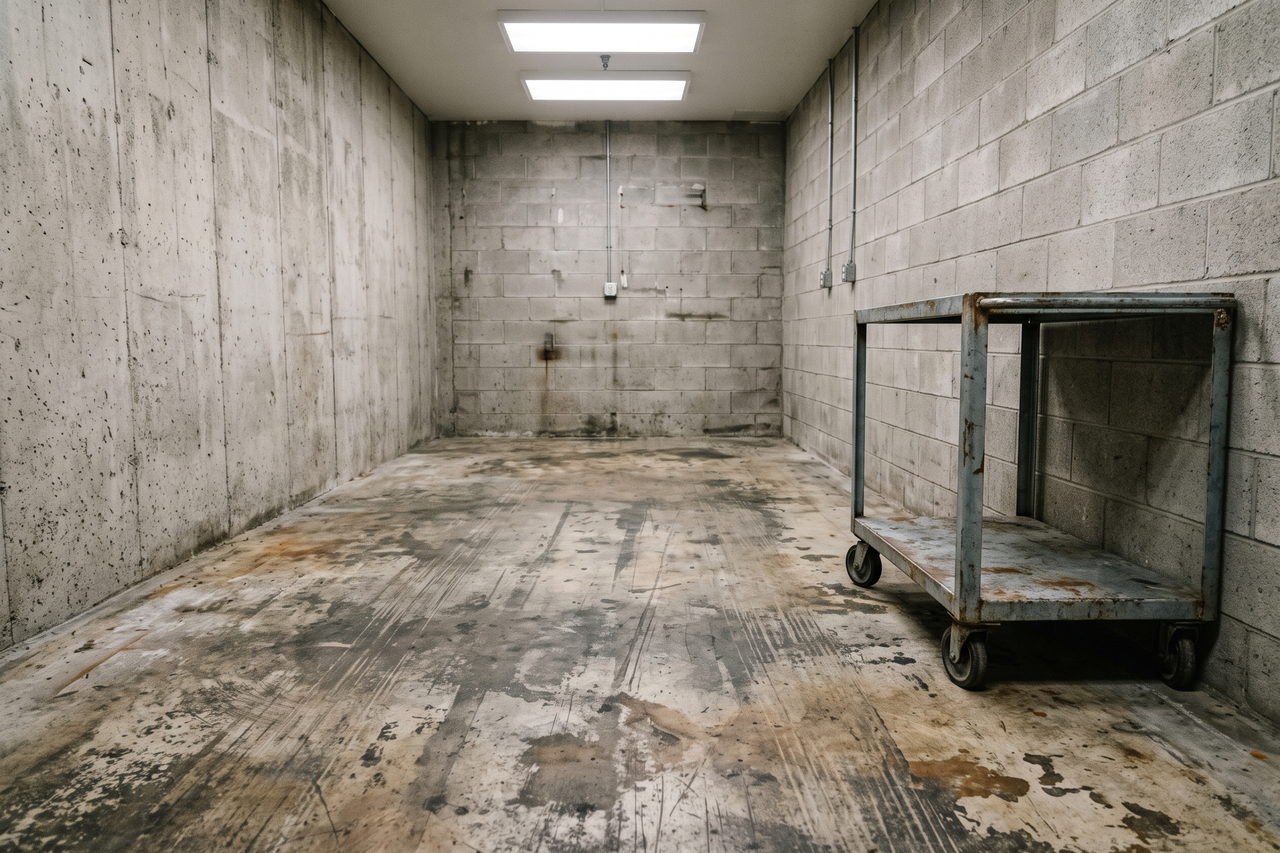
In a retail space, an office, a showroom, or a warehouse, the floor takes punishment every day. Foot traffic, wheeled carts, pallet jacks, cleaning chemicals, and the occasional dropped load all add up. Bare or poorly coated concrete wears quickly under commercial conditions, and the result tends to get worse the busier the space is.
A floor that looks run-down doesn’t just create a maintenance problem — it shapes how customers, clients, and employees perceive the space. Stained or chipped concrete in a customer-facing area can undermine an otherwise well-maintained business.
The other issue is upkeep. Unsealed concrete holds onto grime, makes cleaning harder, and requires more frequent attention. A properly coated floor reduces that daily burden.
The Right Floor Starts With Understanding Your Space
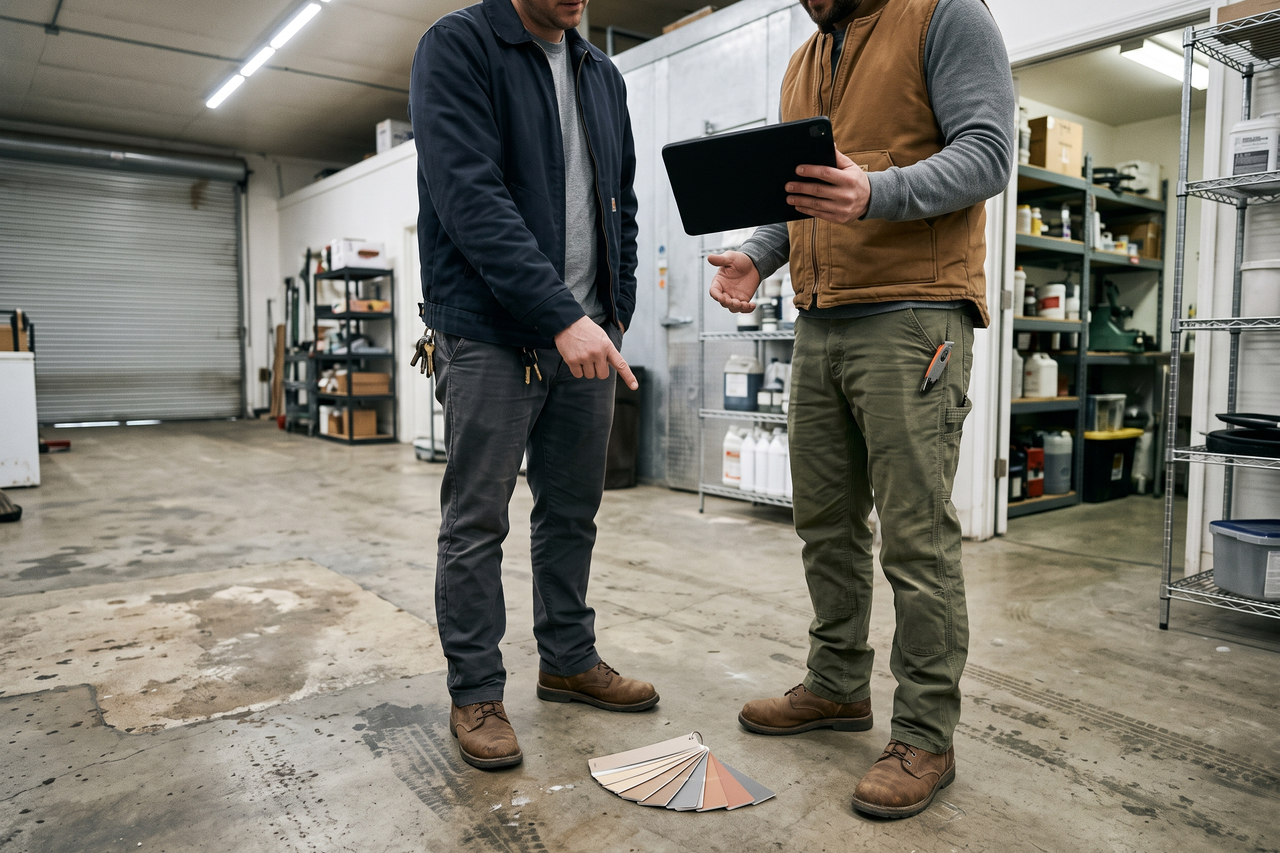
A retail showroom, an office corridor, a food service prep area, and a warehouse aisle each place different demands on a floor coating. Traffic volume, the types of equipment used, chemical exposure, required slip resistance, how the space is cleaned, and how important appearance is to the operation all shape the right system.
The process starts with understanding how the facility actually works. The flooring contractor evaluates the concrete and the operational conditions before recommending a coating suited to the space — not a standard product applied without context.
Appearance options range from clean solid colors to decorative flake that adds visual texture to a customer-facing floor. Metallic epoxy finishes are an option for showrooms and retail environments where a distinctive look supports the brand.
A Commercial Flooring Project Without the Guesswork
Commercial projects run on schedules and budgets. The process is built to stay straightforward.
01
Tell Us About Your Property
Share the type of space, how it is used, the condition of the floor, and any timing considerations that matter to your operation.
02
Get a Flooring Plan
The flooring contractor evaluates the concrete, reviews the operational requirements, and recommends a system and preparation approach suited to your facility.
03
Transform Your Space
The contractor prepares the concrete and installs the coating. The floor is returned ready for business, with the expected schedule explained before work begins.
Planning a Commercial Flooring Project?
Commercial floor projects vary widely in scope, complexity, and timing requirements. Whether the space is a small retail suite or a large open warehouse bay, getting the right information upfront makes the rest of the project easier. Tell us about your property and how the space is used, and we’ll work to connect you with an independent flooring contractor who can review the project and, if it’s a fit, provide a commercial estimate.
The Wrong Floor Can Become an Expensive Problem
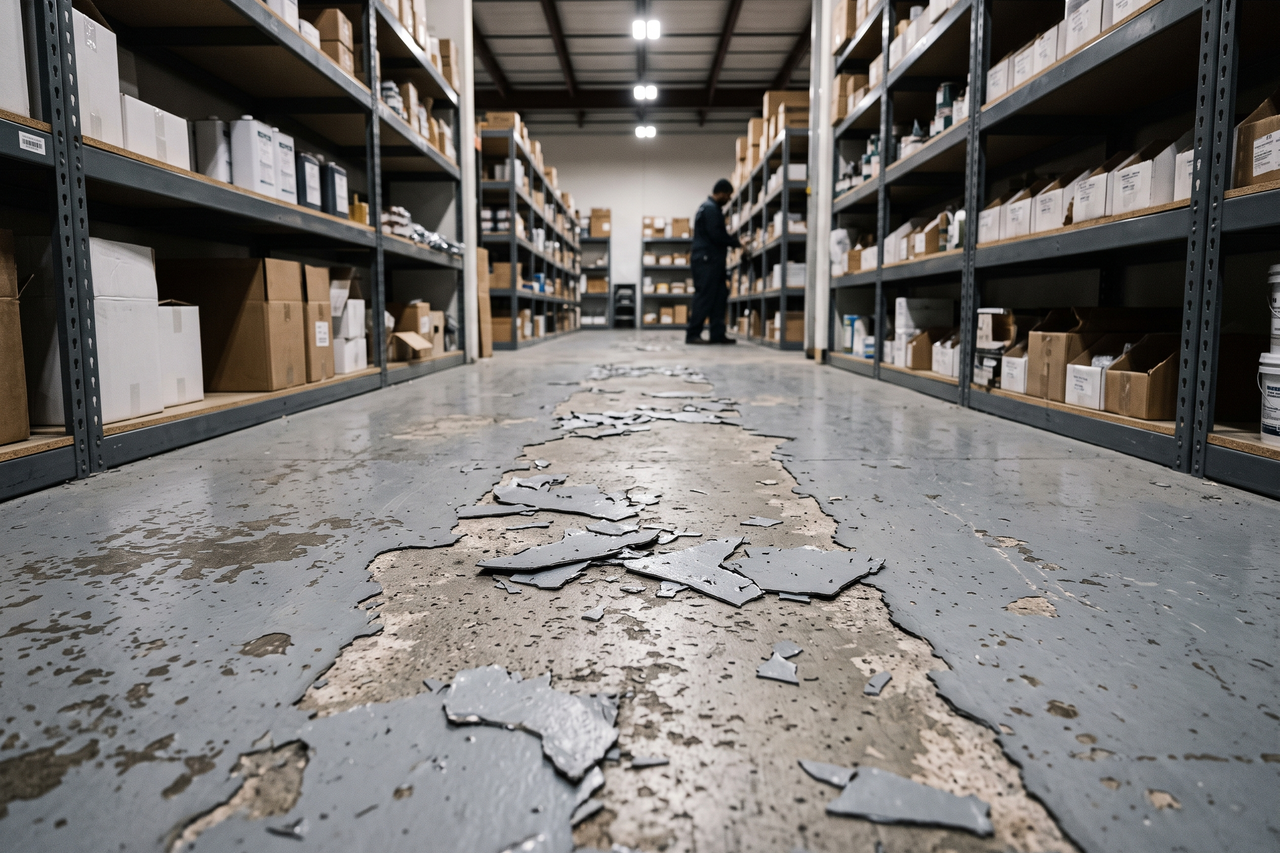
A commercial coating that chips, peels, or wears through quickly is rarely just an aesthetic inconvenience. Deteriorating surfaces can create safety concerns for staff and visitors. They also make cleaning harder and force more frequent attention to maintain a presentable space.
Replacing a failed commercial coating is disruptive. It typically means clearing the space, grinding off the failed material, and starting the project over — which can affect operations, require additional scheduling, and cost more than doing it right the first time.
Choosing a system that matches the actual conditions of the space and preparing the concrete to the right standard gives the floor a better chance of lasting through the demands of a commercial environment.
A Floor That Makes Your Space Work Better
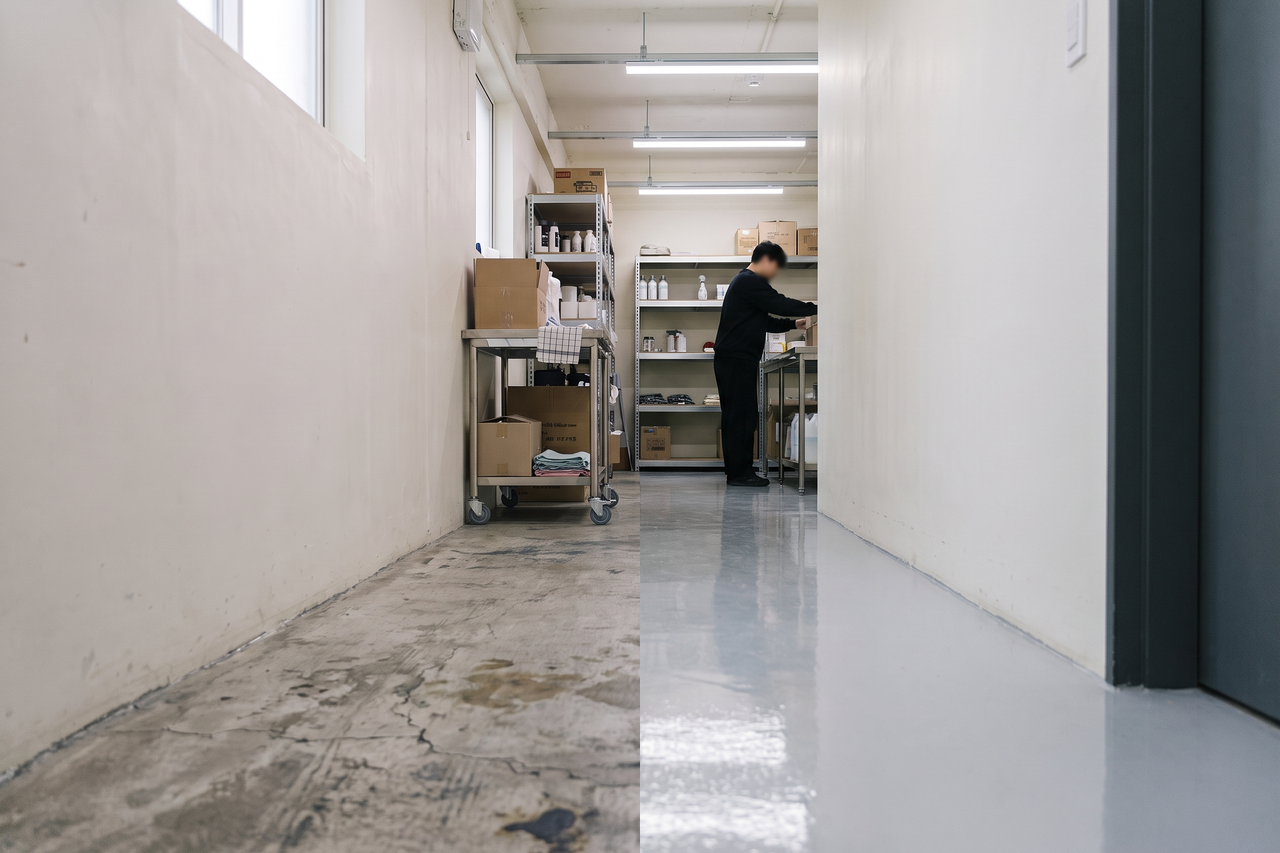
A well-installed commercial floor is easier to maintain day to day. Sealed surfaces resist stains, clean up faster, and hold up better under regular traffic and cleaning routines than bare concrete does. That translates to less time and effort spent on floor upkeep for whoever is responsible for it.
A brighter, reflective surface can also make a space feel more open and better lit without any change to the lighting itself. Safety markings, color-coded zones, and aisle striping can be incorporated where operations benefit from visual organization.
The floor becomes a functional part of the facility rather than a liability that takes time and attention to manage.
What Does Commercial Epoxy Flooring Cost?
Commercial floor pricing depends on the size of the space, the condition of the concrete, the amount of preparation and repair required, the coating system, any performance specifications such as chemical resistance or enhanced slip ratings, and the finish. Projects differ significantly based on what the facility actually needs.
Scheduling requirements are another variable. Whether a project can be completed in a single run or needs to be broken into phases depends on the project scope and what the contractor determines is feasible — those details are discussed during the estimate process.
Common Commercial Flooring Questions
Can a commercial flooring project be scheduled to minimize disruption to the business?
It depends on the project and the contractor. Some commercial spaces can be coated in sections to keep part of the facility operational, while others are better handled in a single run. Scheduling approach, phasing options, and timing are details to work through during the estimate conversation.
How easy is a commercial epoxy floor to maintain?
Sealed epoxy floors are considerably easier to maintain than bare concrete. Routine sweeping and mopping with a compatible cleaner keeps most commercial floors looking good. Spills are easier to address before they set, and the surface doesn’t require the same level of effort to keep presentable that raw concrete does.
Will a commercial floor coating handle heavy equipment and pallet traffic?
Suitability depends on the coating system selected and the conditions of the facility. Systems designed for warehouse and light industrial environments are formulated to handle heavier loads and wheeled traffic better than decorative coatings built for foot traffic only. The contractor recommends a system matched to the actual demands of the space.
Which type of coating is right for my commercial space?
The right system depends on traffic type and volume, chemical exposure, cleaning methods, appearance requirements, and how much operational disruption the installation can involve. Epoxy, polyaspartic, and hybrid systems each have characteristics that suit different commercial environments. The contractor’s recommendation comes from evaluating your specific facility, not a generic guide.